This interview originally appeared in Issue 14: Half Full, published May 3, 2025. You can read this piece and more by purchasing a copy of or subscription to the magazine here.
Lucy R. Lippard is a polymath in the truest sense of that descriptor. She is a person whose omnivorous and ever-curious mind has produced a multitude of incisive projects—exhibitions, books, essays, articles, reviews, presentations, and more—across a career that spans seven decades.
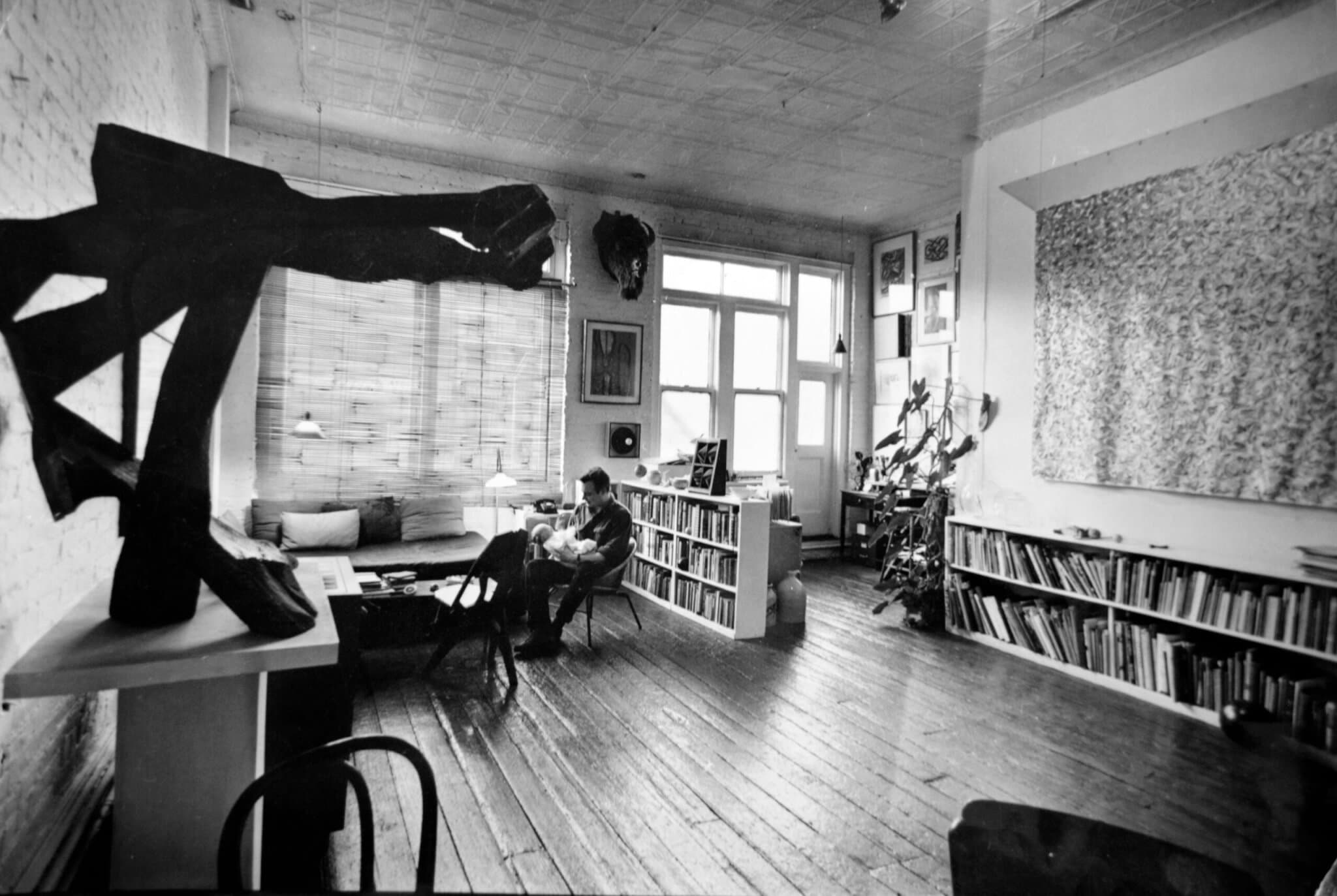
This interview was precipitated by her recent endeavor Stuff: Instead of a Memoir, which she published in the fall of 2023. Peppered with hundreds of images of the “stuff” of her life—family photographs, artworks, activist ephemera, books, bumper stickers—her newest book uses material culture as a lens to help us get closer to her biography, one story at a time. It is an honest and unflashy view into a life embedded in the downtown art scene in New York in the 1960s, ’70s, and ’80s and one that has found a new sense of place since her move to Galisteo, New Mexico, in the early 1990s. It’s also a welcome reversal of focus as the reader gets to better understand the motivations and memories of a writer who has spent her life chronicling the careers and catalysts of others.
Lippard was first known to me (and to many others who found her via an art history classroom) by her genre-defining book, Six Years: The Dematerialization of the Art Object, which trained her critical eye on the Minimalist and Conceptual art movements that she lived through. Holding a graduate degree in art history from New York University’s Institute of Fine Arts, working in the library at the Museum of Modern Art, and married at the time to artist Robert Ryman (who was employed at MoMA too, as a guard), Lippard didn’t have just a front row seat on an especially fertile moment for contemporary art in New York. She actively shaped the field and its concerns through her writing and curatorial work from these earliest years. This included an exhibition, “Eccentric Abstraction,” held at Fischbach Gallery in 1966 that helped to define the reception and legacy of artists like Eva Hesse, Louise Bourgeois, and Bruce Nauman.
Lippard’s portfolio of publications went on to span far further, including an exhibition and book on climate justice from before this was a subject du jour (Weather Report: Art and Climate Change, 2007), an edited volume on photography and Native American self-image in contemporary art (Partial Recall: Photographs of Native North Americans, 1993), and—my personal favorite—a meditation on place and belonging that weaves an interdisciplinary narrative between contemporary art, cultural geography, and architectural history (The Lure of the Local: Senses of Place in a Multicentered Society, 1997).
The more I read of her work to prepare for this interview, the harder it became to adhere to my museum curator’s taxonomical impulse to categorize people and their pursuits. Lippard can’t be pigeonholed, and I get the sense she has actively cultivated this characteristic as a form of resistance in a field far too quick to categorize people and their creative output. In one of my favorite passages from Stuff, she refuses the title of “art critic,” noting, “I’ve always been an advocate, not an adversary…. I write about what I like, saving my criticism for capitalism.”
Lippard is part of a firmament of other women in their eighties and nineties—including artists like Joan Snyder and craft champions like Helen Drutt—whose work I have become especially moved and motivated by as I hit my own midlife. When I asked her when I might expect to hear back from her for this interview, she told me that she had several writing deadlines and a presentation to deliver before she might be able to turn her attention to my inquiry. At eighty-eight years old, she is still as prolific as ever. Part of this drive is born from a critically and politically engaged mind never fully at rest, though it is also the reality of a working writer who must keep plying their craft to survive—financially as well as psychically. Whatever the case, I remain glad Lippard has continued to write, and I am inspired by the fact that she has done so through all the chapters of her life, including motherhood, middle age and menopause, and today, as a matriarch reflecting on a life well lived and a written archive both powerful and profound.
The following conversation has been edited and condensed.
Michelle Millar Fisher: Your father, a working-class kid who became a doctor, was an important inspiration for your career. You credit him with your desire to write clearly and to be aware of audiences who weren’t party to the insider baseball of the art world. In Stuff, you write that you still have his La-Z-Boy as a place to sit, think, and write. Can you reflect on how you have carried this accessible spirit throughout the decades of your practice? Was it an approach that you felt was always welcomed by editors, audiences, and peers, or one you had to work hard to maintain?
Lucy R. Lippard: When I first started writing about art (what I call my “formalist period”), I was trying to fit into conventional art journalism. After I decided to be more accessible in my approach to writing, I pretty much got away with it but was still trying to be one of the boys. Feminism, from 1970 or so, obviously changed that. I never believed in objectivity and often used the first person, which was disapproved in those days. By the mid-1970s, when we were starting Heresies, I finally realized I could be free to write as I liked, and to speak to my own audience. As a freelancer, I never knew what jobs I didn’t get because of my writing style. I’ve never gotten much feedback from audiences, but I have found my bag and that’s been that, more or less, ever since. It certainly wasn’t hard to maintain my stride as a writer once I found it.
MMF: As I began to read Stuff, my initial question was—as it always is when reading any work in this genre—why write a memoir? I felt like my question was answered, at least in part, pretty quickly. I enjoyed reading the book very much because you’ve been a significant figure in my own cognizance of the art world, and I think that’s probably true for many art world readers. But I have also been a daughter who has spent time asking my late mother questions about her life before she passed and then serving as the executor of her estate, which was financially small but rich in memories and mementoes.
You start the book with family stories and take us through the “stuff” of your home—these are things that might otherwise be lost when someone leaves us. And so, as I see it, part of this memoir is for your son and grandsons. Is this a fair assessment?
LRL: Family background for the descendants was not a significant part of the rest of the book. Mostly I just enjoyed writing it. The only other motivation was to correct endless errors by both fans and detractors. This book is my own life on my own terms.
MMF: I read your Archives of American Art interview, and you speak there, as you do in Stuff, about your career as a critic taking off just as you got pregnant. You were writing for Art International and didn’t tell them that you had to miss writing a review of an Anthony Caro exhibition because you were giving birth until after the fact. As someone who has just given birth herself (at the ripe old age of forty-two), I am curious if, looking back now, you have advice for working parents in the art world—and perhaps for the art world itself, which has not always welcomed parents?
LRL: A lot has been written about women who are artists and mothers. In the early ’70s, artists often hid all evidence of domestic life when they had a studio visit. To be married, or a mother, meant you were not a serious artist. Everyone has their own solution. My work was as important to my sanity (and income) as my son, and he was raised understanding that. I’m sure there were times I was a lousy mother (I missed most soccer games) and times when the writing suffered. So it goes. But while I was surprised by the pregnancy, it never crossed my mind not to have the baby. And I’m glad I did! Ethan is one of my best friends and a good artist to boot.
MMF: I was struck by the way in which you write about your female friendships—warmly, as integral to your life, and maintained over many decades in some cases. This is unsurprising, perhaps, for someone who worked so hard to push the feminist movement forward but, as with the question above, these stories are quite personal. I found I benefited from reading about them as they reinforced ideas of camaraderie and solidarity—traits not always rewarded by the art world. Can you talk a little more about this? And how do you find your center in systems (the art world, the wider world) that often write off middle-aged (me) and older (you) women as marginal to culture?
LRL: The art world has never been my concern. Art and artists are. I have never been in the art world center—I never went to Warhol’s factory or collectors’ parties—and have always enjoyed being on the fringes where I could be myself. My close women friends are those with whom I share experience and/or politics and/or art preferences, though obviously that varies with each individual.
Some friendships survive distance and time, and some just fade away, becoming good memories. I’ve never felt marginal to anything but the art market, though I moved to New Mexico to get away from the art world as such, only to find it hale and hearty here. For three decades I’ve focused more on the local, my village, than on art world figures, but I’ve been lucky to be able to continue making a living even in my late eighties, when everything takes much longer.
The thing I hate about being old is declining energy. But in my later years I’ve gotten more attention than in the rest of my life—much of it undeserved. I’m human, I enjoy the awards, but not adulation, which I find embarrassing.
MMF: Your practice is so wide-ranging, and I don’t just mean the books that you have written. You have also helped found significant art world institutions like Printed Matter and Heresies and been part of myriad activist groups. You have pin pointed incisive topics throughout your career, and often before others have caught up to them. How do you decide where to direct your attention and efforts? Is there a gut feeling about a topic or direction? Is there an element of kismet?
LRL: No kismet. I rarely make decisions. I just go wherever I’m led by events, opportunities, necessities, and friends. A request comes along and I do it, or not, and it leads to something related, or not. I don’t have a practice as such (I dislike the term—it’s too clinical; I call what I do work), so I can go where I want. I’m easily bored, and I have no gallerist or editor to tell me not to change. There’s a reason I called my first essay collection Changing.
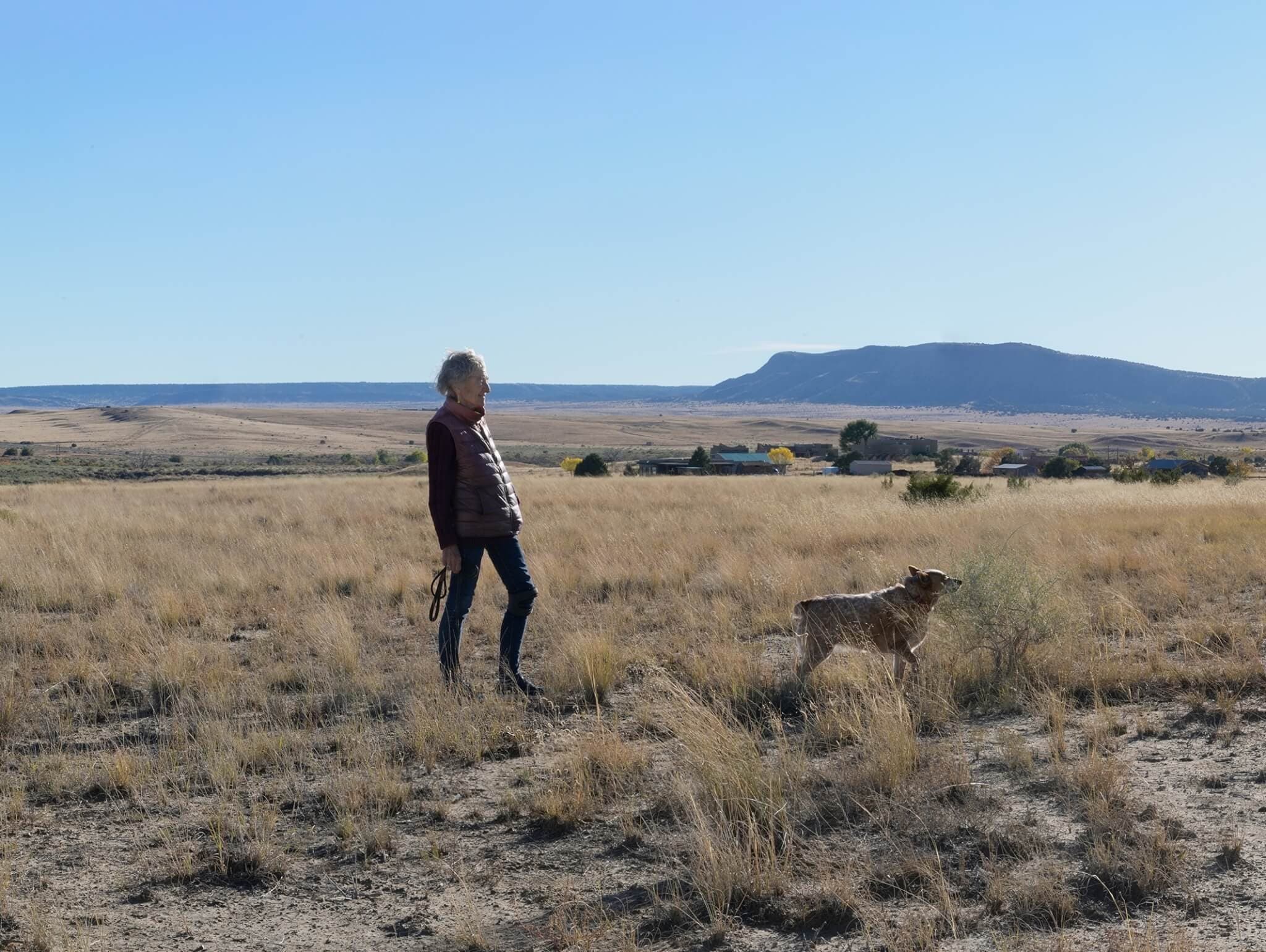
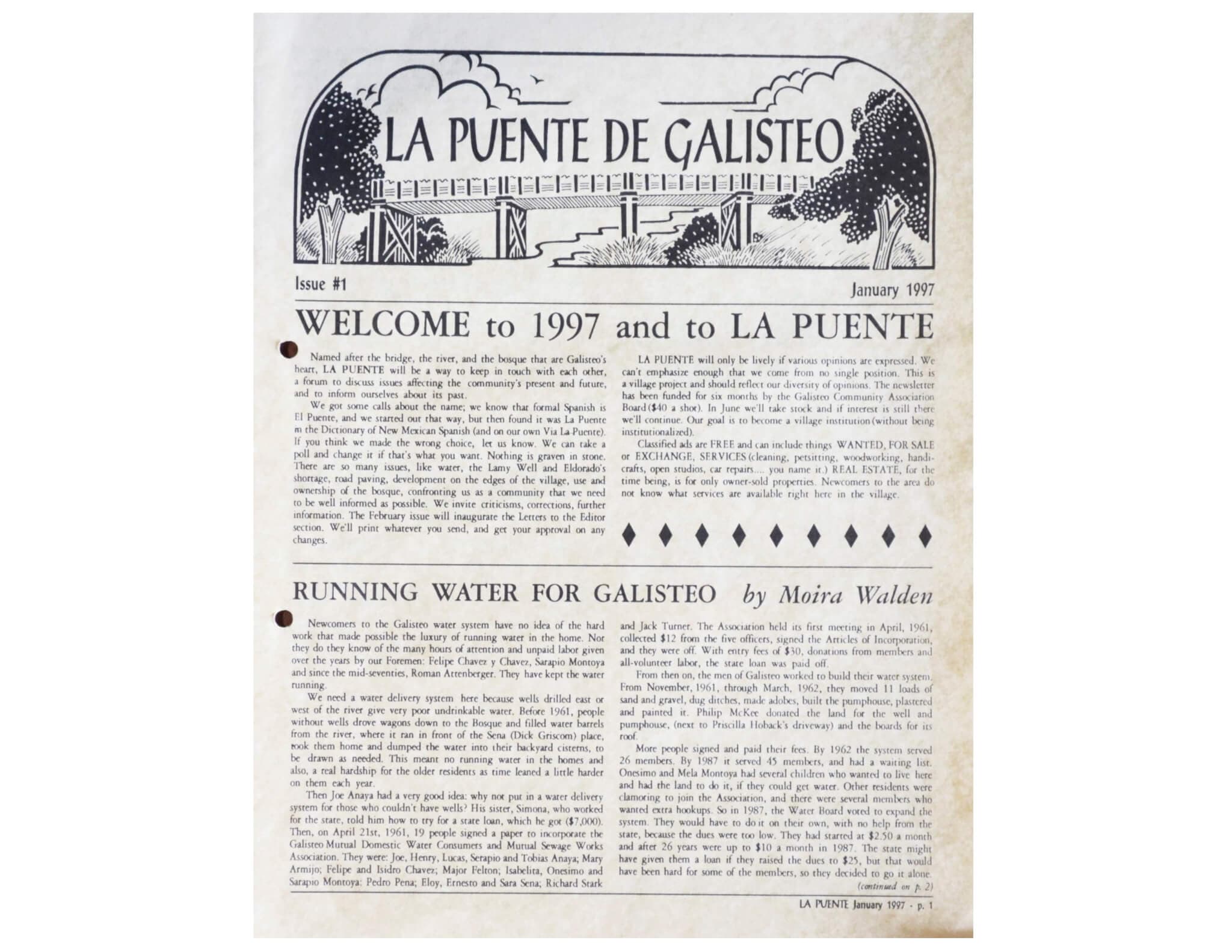
MMF: You wrote The Lure of the Local: Senses of Place in a Multicentered Society about how we find ourselves in our environments. Creating place-based communities has always been important to you, and this is evident in many ways in Stuff, not least in how Maine and New Mexico, among other places, recur. I loved knowing that you founded a local newsletter where you live, that you serve in the volunteer fire-fighting team as an auxiliary, and that you collect rocks from places important to you (me too). How has the thesis of The Lure of the Local either deepened or changed since you wrote it almost thirty years ago?
LRL: I haven’t read The Lure of the Local for decades, but I don’t think my ideas have changed so much as they have been influenced by what I wrote there. The book sparked a new kind of life. Overlay was an earlier game changer in that I realized I could go beyond art into life, led as usual by artists. I never enjoyed reviewing shows or books, and I stopped doing that early on. As for El Puente de Galisteo, I write a stand-alone four-page monthly newsletter (sometimes including other invited contributors), and it is one of my favorite gigs. And the rocks all over the place are aesthetic objects but also reminders of how unimportant the art world is in the long run.